IAEA Task Force Visits Japan Again: A Comprehensive Report on Fukushima Nuclear Contaminated Water Discharging into the Sea will be released.
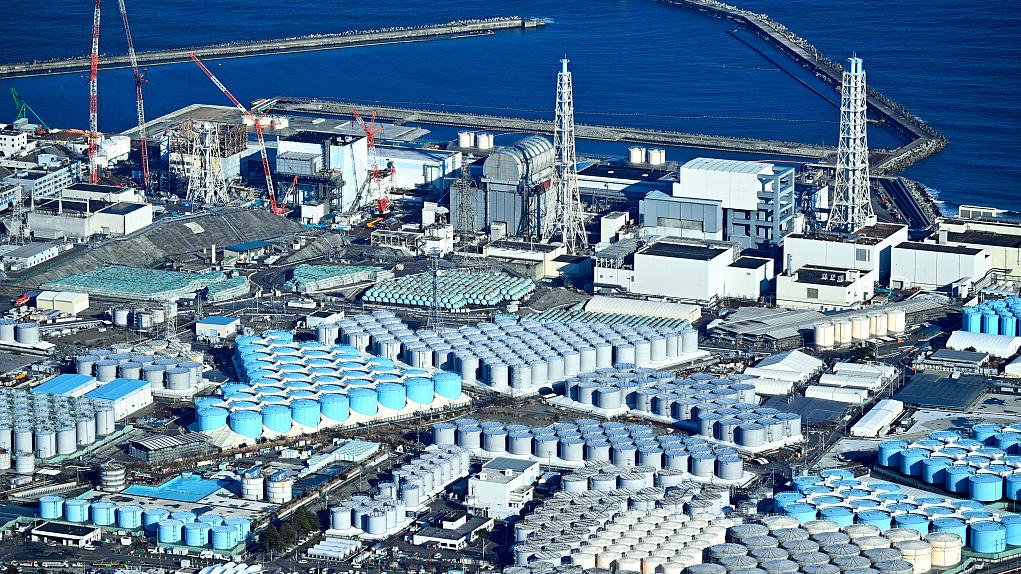
As the date of Japan’s unilateral decision to discharge the water polluted by the Fukushima nuclear accident into the sea is approaching, many countries and stakeholders have expressed serious concern.
According to the news of the United Nations website on May 27th, from May 29th to June 2nd, the special working group of the International Atomic Energy Agency (IAEA) to conduct a comprehensive safety review on the treatment water discharge plan of the advanced liquid treatment system (ALPS) of the Fukushima Daiichi nuclear power plant in Japan will visit Japan again, which is the last visit of the working group before releasing its comprehensive report.
According to the IAEA, during this visit, members of the working group will meet with Tokyo Electric Power Company (TEPCO), the operator of the Fukushima Daiichi nuclear power plant, and representatives of the Ministry of Economy, Trade and Industry and the Japan Atomic Energy Regulatory Commission in Tokyo.
In addition, the working group will also go to the Fukushima Daiichi nuclear power plant to review the construction of the polluted water discharge system, and check the preparations for facilities and equipment related to the advanced liquid treatment system.
It is reported that no special official report will be released after the five-day visit of the review working group, and the relevant discussions will be reflected in the comprehensive report that the working group plans to launch at an appropriate time. This comprehensive report will take into account all the opinions and conclusions of previous working group visits, including a series of extensive assessments of Japan’s plans to discharge what Japan calls "treated water" in accordance with relevant international safety standards.
At the same time, at the 76th World Health Assembly held on 27th local time, the representative of China once again stressed that China firmly opposes Japan’s unilateral decision to discharge the water polluted by the Fukushima nuclear accident into the sea.
The representative of China said that the process of discharging nuclear polluted water in Fukushima will last for 30 years. The Fukushima coast has the strongest ocean current in the world. Ten years after the nuclear polluted water is discharged into the sea, the relevant radionuclides will spread to the global waters. This move is to pass the risk on to all mankind. This is not a private matter of the Japanese side, but a major issue related to global public health. Many countries and stakeholders have expressed serious concerns. Before reaching an agreement with all parties through consultation, the Japanese side shall not start the discharge of nuclear polluted water into the sea without authorization.
On April 13, 2021, the Japanese government officially decided to discharge the nuclear sewage from the Fukushima Daiichi nuclear power plant into the sea. The Japanese side stated that the nuclear sewage would be "filtered and diluted" before being discharged into the sea.