"Swim until the sea turns blue" is released, and Sitar tan sings classic songs.
1905 movie network news The director’s latest work was officially released on September 19th, and an episode MV, Time to Say Goodbye, which was sung by Sarah Bleiman, the "Moonlight Goddess", was released. China female singer sang this world classic, which is also her cooperation with director Jia Zhangke again. In the newly released MV, Sitar tan’s melodious and affectionate singing is in harmony with the scenes of famous writers such as, Liang Hong, etc. In the film, the three art forms of film, literature and music are perfectly integrated in beautiful melody and moving singing, showing a unique artistic temperament.

"Swim until the sea turns blue" poster-The past is a lighthouse that illuminates today (design: Yellow Sea)
Sitar tan’s amazing voice singing fireworks.
In the MV picture, Duan Huifang, the daughter of the late writer Ma Feng, appeared with famous writers such as Jia Pingwa, Yu Hua and Liang Hong. The narrative of early rural life was displayed one by one with the group images of ordinary people in public places such as lakes, streets, fields and railway stations. Their gaze on the camera was not only an observation of life, but also an eye contact and communication with the audience. Accompanied by Sitar tan’s powerful singing and the beautiful melody of Time to Say Goodbye, the traces left by the changes of the times in the lives and memories of writers and ordinary people are revealed, and all kinds of secret relationships left by personal life and the development of the times are also revealed simply and naturally. This classic song, once sung by Sarah Bleiman, the goddess of moonlight, is even more mysterious and romantic in Sitar tan’s singing with unique personal style and special expressive force, just like the movie title "Swim until the sea turns blue", which is intertwined with unique poetry and magic.
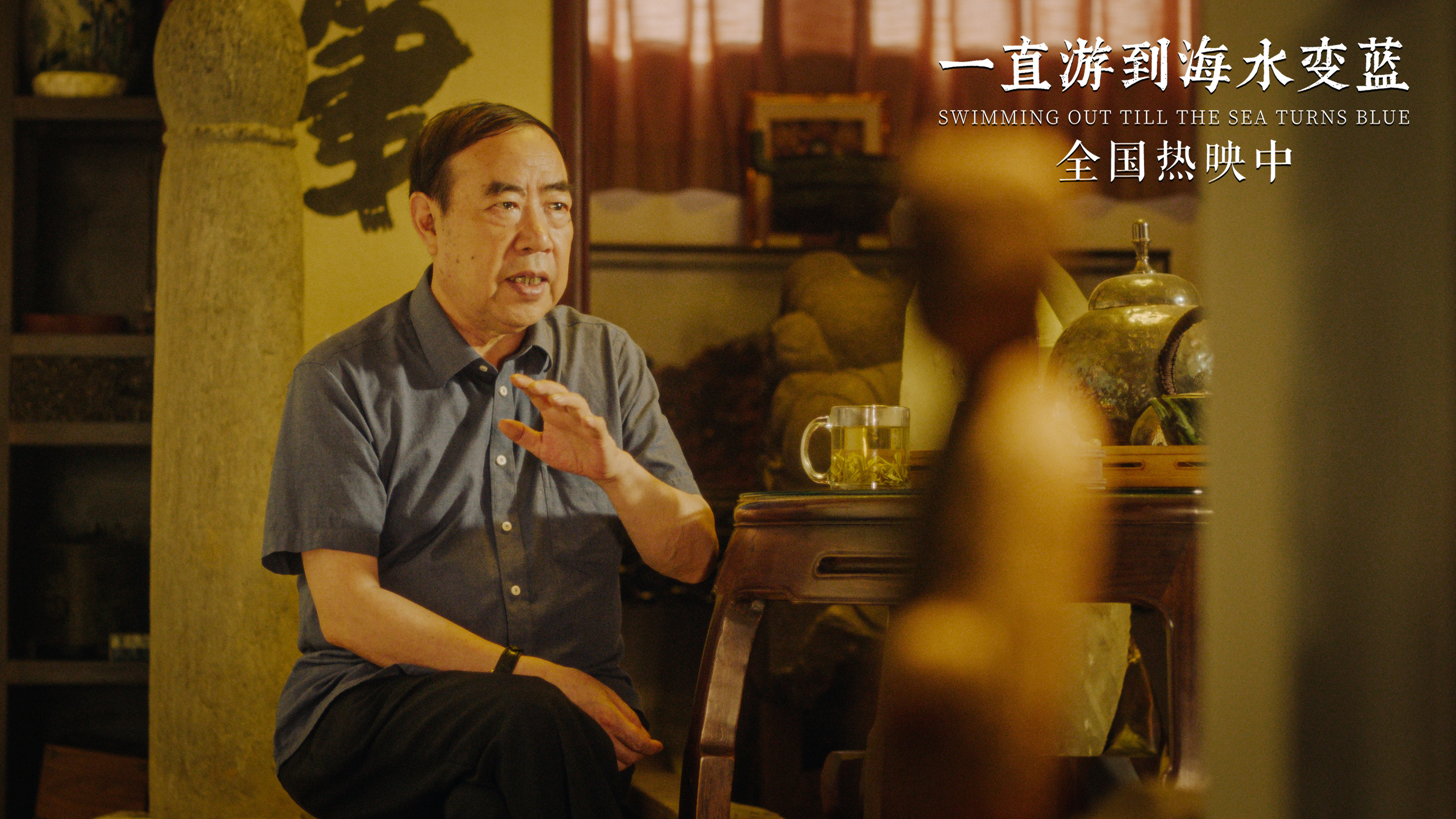
Jiapingao
Sitar tan once said that opera has a special sense of ceremony, and different levels of things can be felt in the process of enjoying opera. This time, I cooperated with director Jia Zhangke again, and the tacit understanding was better than before. Their empathy and appreciation of symphonic music finally contributed to this cooperation opportunity.
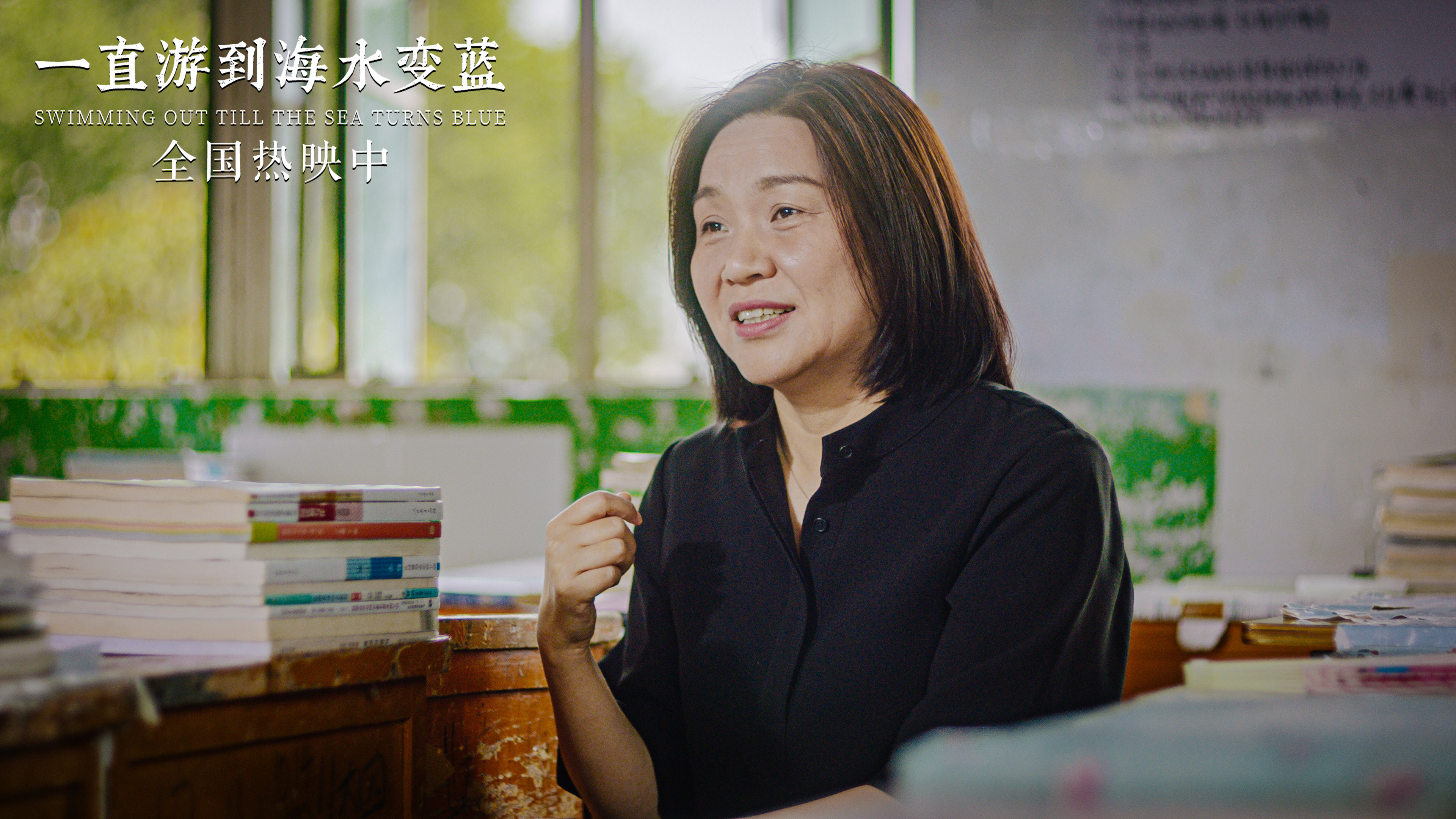
Liang hong
Abstract audio-visual aesthetics deconstructs Chinese life
Jia Zhangke also expressed his opinion on the choice of music: "The reason why I chose to use symphony instead of pop songs (this time) is that the method and theme of telling stories are different. Pop songs rely more on the lyrics, and it is a better and more abstract way to connect different elements with symphonies. " Director Jia Zhangke revealed, "At first, when I was thinking about how to construct this film, I thought about using a linear structure arranged in chronological order to unfold the stories of these four generations of writers, but when editing, I began to realize that there were some common themes, issues and problems that China had been dealing with, which surpassed the original linear order and the film began to become very abstract."
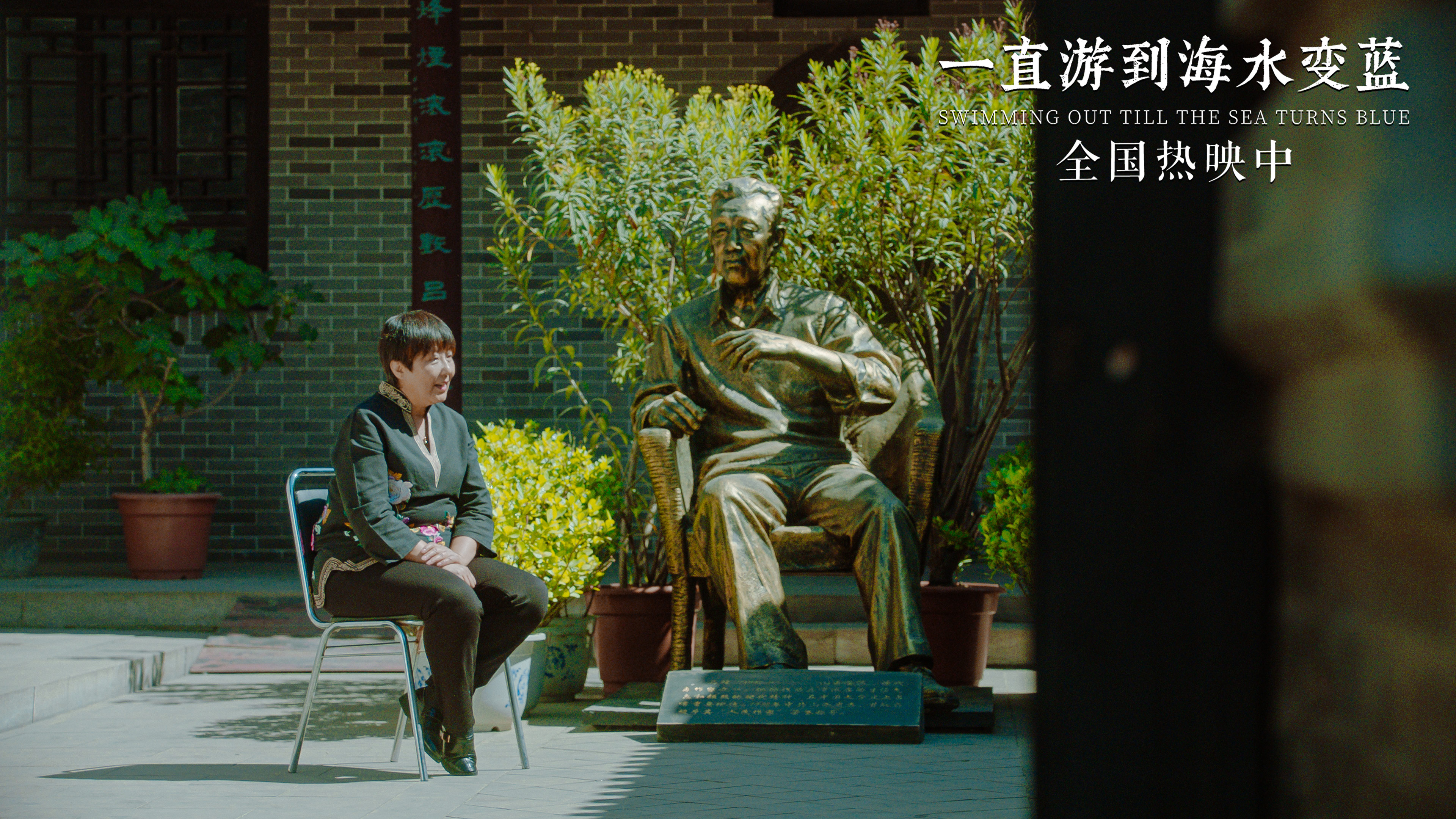
Duan Huifang, the daughter of the late writer Ma Feng
Jia Zhangke pointed out, "Shooting them is like shooting a novel, because there are four groups of characters, a long historical time, and basic problems that each of us has to experience and every era has to experience." Therefore, when constructing this documentary, we chose to connect with 18 themes, and face the 18 keywords that everyone can’t avoid in life, such as eating, falling in love, returning home, new and old, traveling, illness, living, mother and father, and use them as the theme chapters to tell the story, face the truth of the times and arouse the deep feelings of Chinese people.
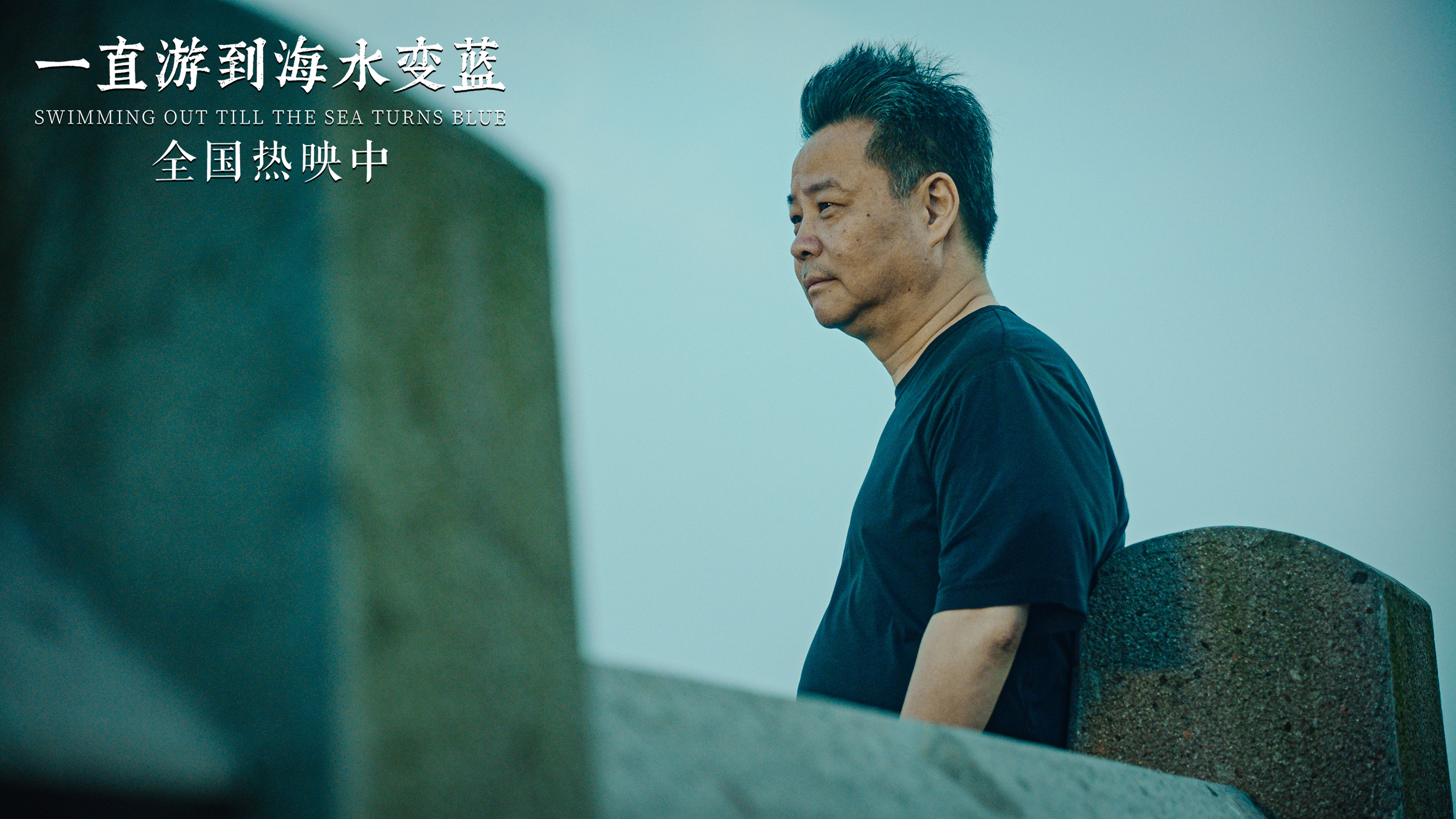
Yuhua